If you are sizing up the work, start with our page on siding cost. Live nearby? See siding in Beaverdale. Doing your homework first? Read our guide on vinyl vs fiber cement siding.
Expected lifespan by material type
Most Des Moines homeowners want to know how long does siding last Des Moines when planning a home improvement budget. Vinyl is the most common choice and typically holds up for twenty to thirty years. It handles the humidity of Iowa summers well but can become brittle during our bitter winter stretches.
Fiber cement is a heavier option often found in newer Waukee or Johnston developments. This material can last fifty years if you keep up with paint and caulking. While it costs more upfront, it offers the longest service life of any modern siding choice.
Local weather factors that reduce longevity
Our local weather is tough on home exteriors. High winds in Altoona and heavy spring hail in West Des Moines can crack older vinyl panels instantly. These impacts create entry points for moisture that can rot your wall studs before you even notice a problem.
The freeze and thaw cycle is another major factor. As temperatures swing from below zero to forty degrees in a single day, materials expand and contract. This movement can eventually pull fasteners loose or cause planks to warp and gap.
Warning signs it is time to replace
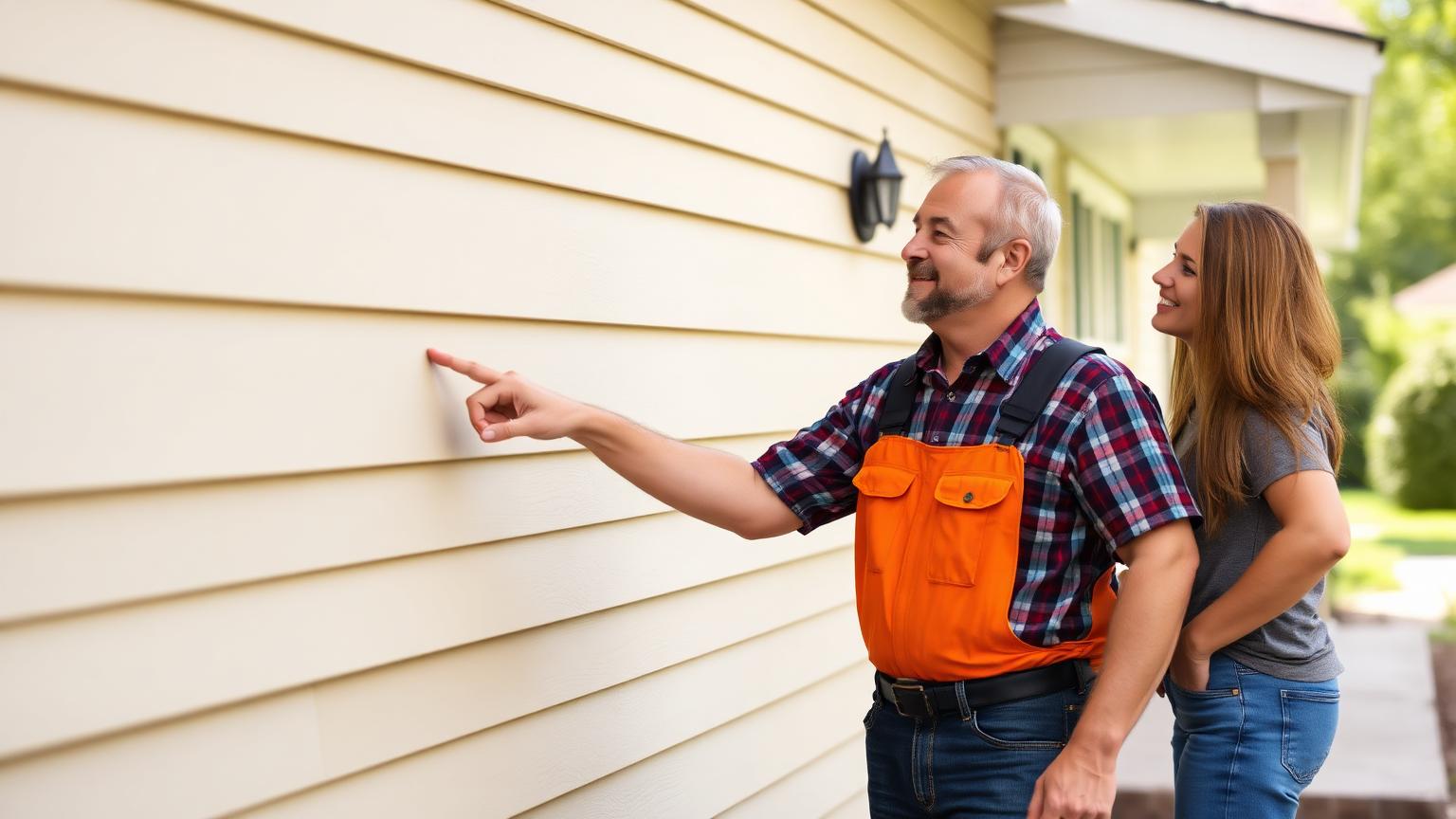
You should inspect your home annually for signs that the siding is reaching the end of its life. Look for significant fading, which indicates the UV protection has worn off. If you see bubbles under the surface, it usually means water is trapped inside the material.
Check for mold or soft spots near the foundation of your Ankeny or Urbandale home. If the siding feels flexible or brittle when you press on it, the internal structure is likely failing. Frequent woodpecker holes are another sign that the material is no longer hard enough to deter pests.
Maximizing your siding service life
The best way to ensure your exterior lasts its full term is through regular cleaning and minor repairs. Washing off dirt and pollen prevents organic growth from eating into the finish. You should also keep your gutters clear to prevent water from overflowing and soaking the top edge of your siding.
If you notice a loose piece after a storm, fix it immediately. Leaving one panel hanging allows wind to get underneath and rip away larger sections. We can help you assess if your current siding has a few good years left or if a full replacement is safer for your home.
